

Ouch! What to Do If You Think You’ve Fractured Your Hand
Living an active lifestyle in beautiful Wollongong means we’re sometimes prone to bumps, falls, and the occasional sporting mishap. If you’ve recently experienced a hand injury and suspect you might have a fracture, it’s important to know what steps to take. Prompt and proper care is crucial for optimal healing and recovery.
Step 1: Recognise the Signs and Seek Immediate Medical Attention
A hand fracture can present with various symptoms, including:
• Intense pain: This will likely be immediate and worsen with movement.
• Swelling: You’ll likely notice swelling around the injured area.
• Deformity: The hand or fingers might look visibly out of alignment.
• Tenderness to the touch: Even light pressure on the injured area can be extremely painful.
• Inability to move or use the hand: You may find it difficult or impossible to move your fingers or grip objects.
• Bruising: Discolouration may appear around the fracture site.
If you experience any of these symptoms, it’s crucial to seek immediate medical attention.
For specialised, same-day care, contact us at Hands on Hand Therapy Wollongong Acute trauma service (Figtree or Woonona) (links to contact details to both branches)
Step 2: Follow Medical Advice and Immobilisation
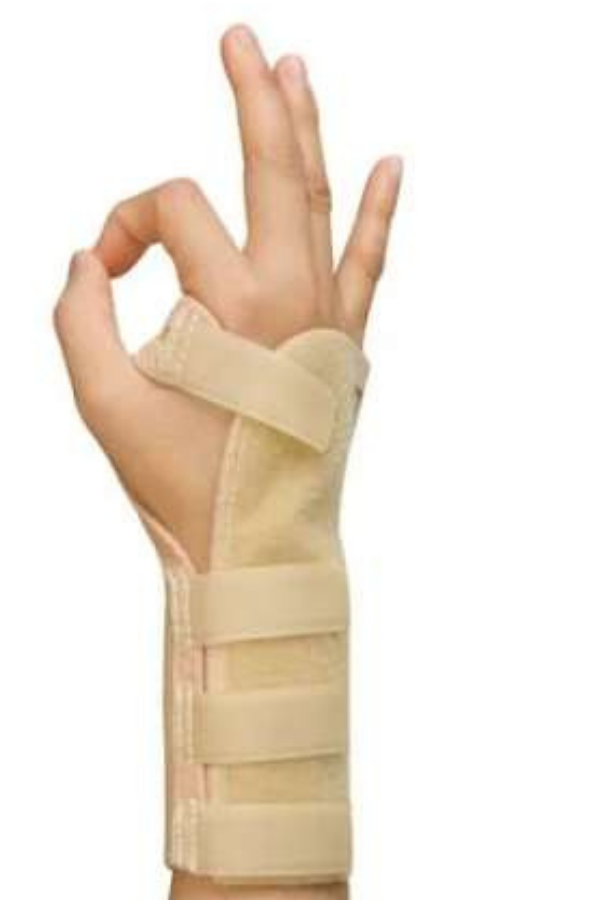 Once a fracture is confirmed, we will provide you with specific instructions for care. This typically involves:
• Immobilisation: Your hand will likely be placed in a cast, splint, or brace to keep the bones aligned and allow them to heal. It’s vital to keep this immobilisation device clean and dry, and to avoid removing it unless specifically instructed by your doctor.
• Pain Management: You will likely be prescribed or recommended pain relief medication to manage discomfort.
• Rest: Avoid using your injured hand as much as possible to facilitate healing.
• Elevation: Keeping your hand elevated, especially in the initial stages, can help reduce swelling.
• Ice: Applying ice packs wrapped in a towel to the injured area can also help reduce swelling and pain (follow your doctor’s recommendations on frequency and duration).
Step 3: Rehabilitation with Hands on Hand Therapy in Wollongong (Figtree and Woonona)
Rehabilitation is a crucial step in regaining full function of your hand. This is where Hands on Hand Therapy, with locations in Wollongong ( Figtree and Woonona) Kiama, Nowra and Milton, can provide expert care. (links to contact details for all branches)
Hand therapists are highly specialised physiotherapists or occupational therapists who focus on the rehabilitation of the hand, wrist, elbow, and shoulder. At Hands on Hand Therapy, their experienced therapists can:
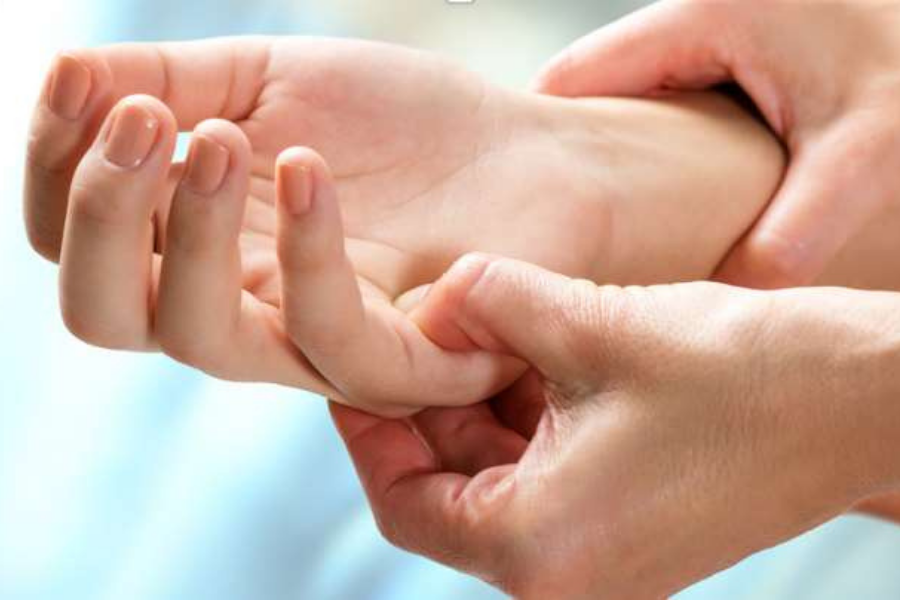 • Assess your hand function: They will evaluate your range of motion, strength, sensation, and dexterity.
• Develop a personalised rehabilitation program: Based on your specific fracture and needs, they will create a tailored exercise plan to help you regain movement, strength, and coordination.
• Provide manual therapy: Techniques like massage and joint mobilisation can help reduce stiffness and improve mobility.
• Offer custom splinting: If needed, they can design and fit custom splints to support healing and protect your hand.
• Educate you on self management strategies: They will teach you exercises and techniques you can do at home to continue your recovery.
• Help you return to your daily activities and hobbies: Their goal is to help you regain full use of your hand so you can get back to doing what you love.
Why Choose Hands on Hand Therapy?
Hands on Hand Therapy is dedicated to providing high-quality, patient-centred care. Their therapists have extensive knowledge and experience in treating hand fractures and other upper limb conditions. They understand the complexities of hand function and are committed to helping you achieve the best possible outcome.
September 2025
Author: Samantha Tkac, Occupational Therapist/Hand Therapy